If you have diabetes, you likely know that you’re at risk for heart disease, eye problems, skin conditions, stroke or nerve damage. All those conditions have obvious symptoms, but there’s one risk you might never notice—kidney disease.
Chronic kidney disease (CKD), often called a “silent” disease, begins with symptoms so mild that you might not ever notice, so you won’t usually know you have it unless your doctor tests for it. That’s why it’s important to work with your doctor to get the right blood and urine tests during regular check-ups.
While CKD affects about 15% of adults in the U.S., that percentage doubles for those with diabetes. About a third of adults with diabetes have chronic kidney disease. The disease is also on the rise in Maine, according to the United Health Foundation, which reported a 30% increase between 2020 and 2022.
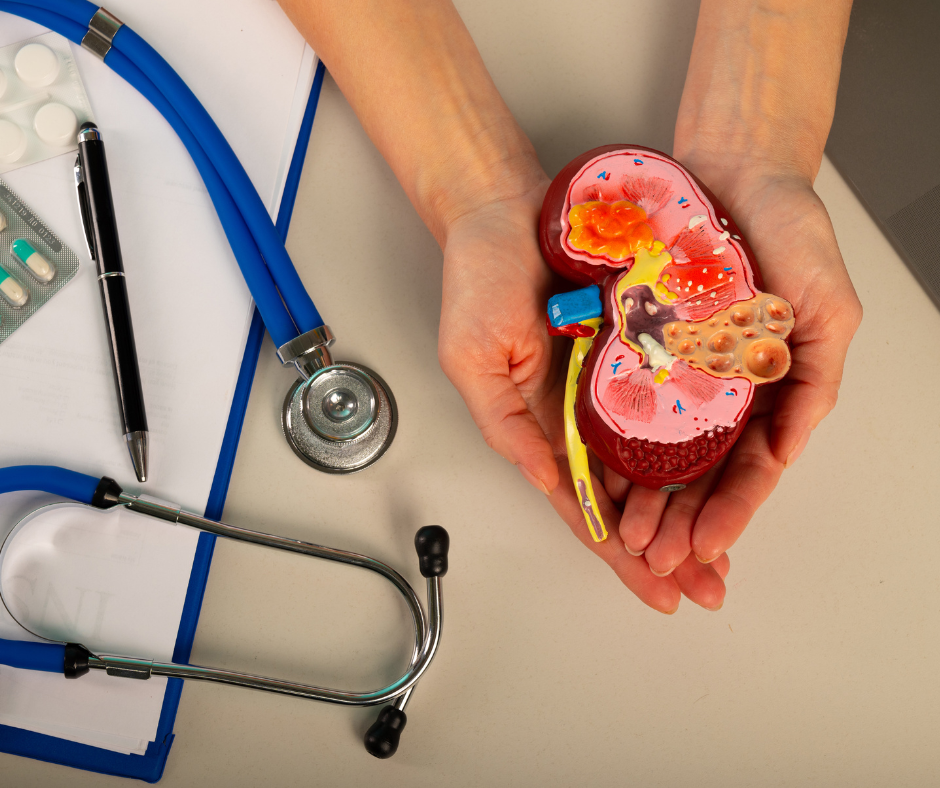
Your kidneys have a critical job to do. They filter your blood, regulate your body’s balance of salt and water, help to correct low sugar levels and help regulate blood pressure. High levels of blood sugar can damage blood vessels in the kidneys.
Preventing kidney disease
Though diabetes is the No. 1 cause of kidney disease, it isn’t the only risk factor. High blood pressure, heart disease, smoking, obesity and chronic urinary tract infections, can all cause issues.
Here are few tips to help you take care of your kidneys:
While symptoms can be mild, you might notice some changes if you reach later stages of CKD. You could feel tired, have a poor appetite or trouble sleeping, or you might notice swelling throughout your body, have a frequent urge to urinate (especially at night) and have cramping muscles.
If you are a Community Health Options Member, all non-HSA plans, except for the Catastrophic plan, offer help managing diabetes and other conditions through our Chronic Illness Support Program (CISP). If you have questions about coverage available to you, review your plan documents in your Member portal or call our Maine-based Member Services team at (855) 624-6463 between 8 a.m. and 6 p.m., Monday through Friday.
Could you be at risk for diabetes? About 10% of adults in Maine have diabetes, with about 6,800 more diagnosed each year, according to the American Diabetes Association. You can reduce your risk by managing your blood sugar, blood pressure and cholesterol levels. If you’re worried that you’re at risk, talk to your doctor at your next check-up.
Find resources or learn if you're at risk at Rethink Diabetes Maine. The American Diabetes Association also provides resources including cookbooks, meal planners and tips to manage kidney disease.
Follow Community Health Options on LinkedIn, Facebook or Instagram.
If you’ve been diagnosed with Type 2 diabetes, you likely already know the risks that come with high blood sugar levels—heart or kidney disease, blindness, nerve damage or stroke. Low levels can pose problems, too, like blurred vision, nightmares, headaches, confusion or lightheadedness.
Diabetes has become a national epidemic—there are at least 37 million people diagnosed with the disease, according to the Centers for Disease Control and Prevention. In Maine, more than 113,000 people—or about 10% of the state’s adults—have been diagnosed with diabetes, with an estimated 32,000 who likely have diabetes, but don’t know it.
It takes more than an occasional A1c blood test, a measure of average blood sugar over three months, to effectively manage Type 2 diabetes and prevent the serious complications that can go with it. Even so, there’s a good chance that for many with diabetes, daily glucose monitoring can be hit or miss. Let’s face it: It can be a hassle to keep track with frequent finger sticks.
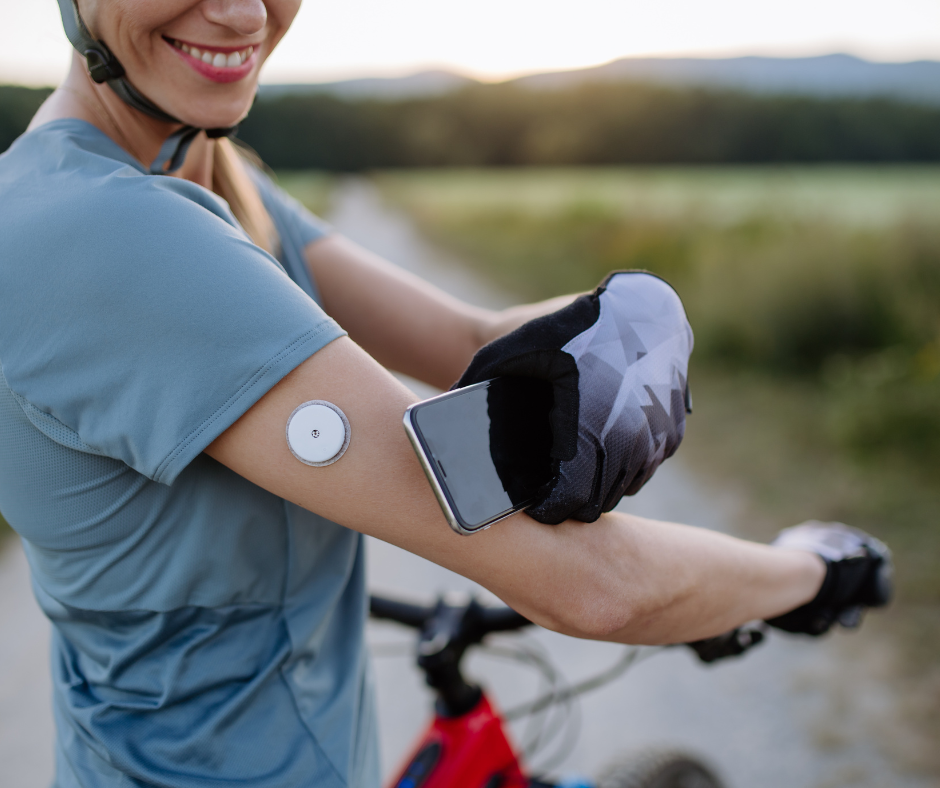
Daily monitoring empowers you to take control of your diabetes, whether measuring a few times a day with a glucose meter or using a continuous glucose monitoring system (CGM) that tracks patterns 24/7. Daily monitoring can also provide real-time information and reveal patterns, like whether sugar spikes after a meal or drops to dangerous levels overnight. It can also show you how your body responds in real time to specific food, exercise or the medications you take.